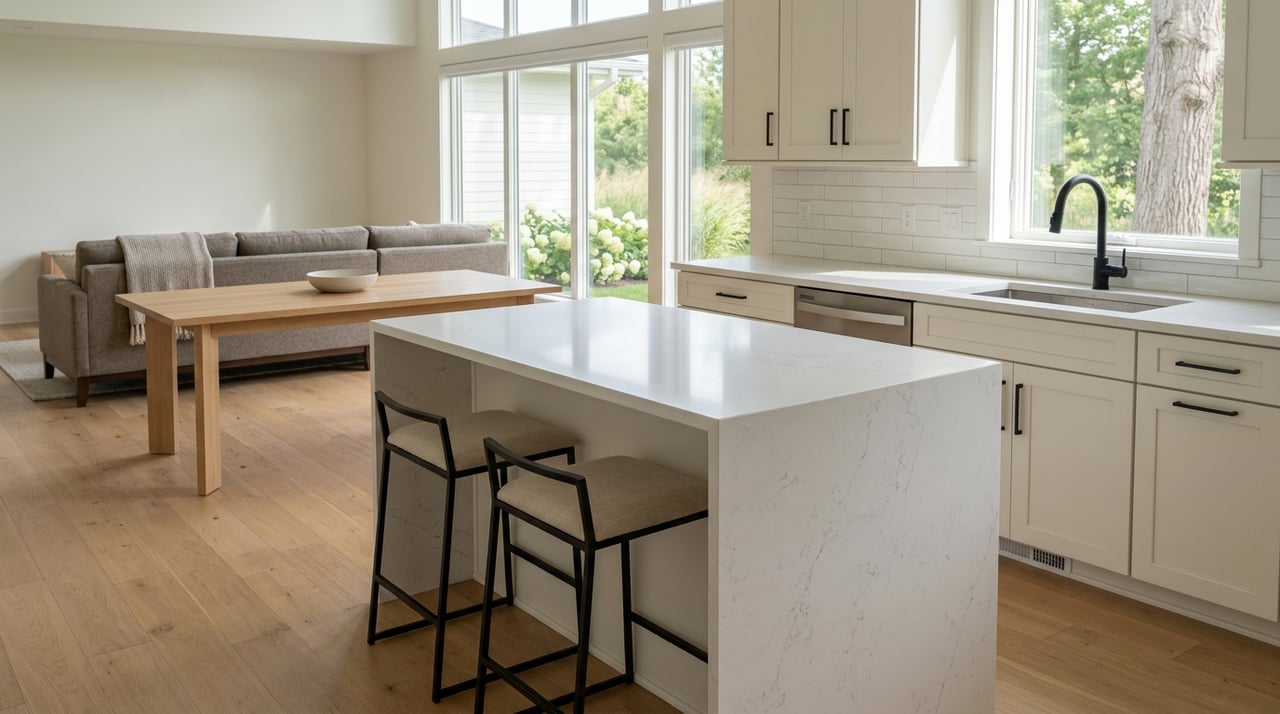
Thinking about selling your Madison home this year? You likely have two big questions: what is the market doing, and how long will it take? You want clear answers, not guesswork, so you can plan your move with confidence. In this guide, you’ll learn what to expect in Madison and Dane County, from pricing and timelines to costs, disclosures, and local inspection items that matter. Let’s dive in.
Madison market at a glance
As of January 2026, Dane County’s median sale price was about $445,000 per Redfin’s county data. Madison city medians have recently landed around $409,000 to $434,000 based on Zillow’s city index and local MLS snapshots. Different data sources use different time windows, so days on market can vary. Treat citywide figures as directional and use a fresh neighborhood CMA for list pricing.
A few local drivers help explain steady demand:
- UW–Madison’s academic calendar and campus-area demand.
- Major employers like state government and Epic Systems.
- Limited new construction in close-in neighborhoods.
- Seasonal patterns, with spring bringing the largest buyer pool.
Your selling timeline
Every home and price band is different, but here is what you can expect in Madison.
Pre-listing prep: 1–4 weeks
You will choose your listing agent, walk the home, decide on repairs, and schedule professional photos. Quick, targeted prep like decluttering and paint touch-ups can meaningfully improve your first week of showings. If you want to reduce post-offer renegotiation, consider a pre-listing inspection.
Pricing and launch: day 0
The first 7 to 14 days on market often matter most. A neighborhood CMA that focuses on the last 6 to 12 weeks of activity keeps your pricing aligned with real buyers. Citywide averages are helpful context, but buyers shop hyper-locally.
Showings and offers: 1–14 days, variable
In many competitive Madison price ranges, especially roughly 300,000 to 500,000 dollars when inventory is tight, multiple offers can arrive quickly. Earnest money amounts vary by deal, but local practice often clusters around 1 to 3 percent of the purchase price in competitive situations. You can learn more about earnest money basics from this straightforward overview of earnest money in real estate.
Inspection window: commonly 7–10 days
After acceptance, buyers usually schedule a general inspection within the first week, followed by requests for repairs or credits. Many offers in our area set the inspection contingency at about 7 to 10 calendar days, though it is negotiable. For a plain-language primer, see this guide to home inspection contingencies.
Appraisal, underwriting, and closing: 30–45 days for financed deals
Financed purchases commonly close in about 30 to 45 days while the lender completes appraisal and underwriting. Cash deals can close faster, sometimes in 7 to 21 days with clear title. For a step-by-step of the process, this overview of the home closing timeline is helpful.
Closing and possession
On closing day, you will sign final documents and funds will be wired. In Wisconsin, the owner’s title policy is customarily paid by the seller, but confirm your contract terms. Be sure to verify prorations for property taxes and any HOA dues with the title company.
Price with local data
Price is a strategy, not just a number. Work from a 6 to 12 week neighborhood CMA that compares recent solds, active competition, and pendings. Your early traffic is the best signal that price and presentation are on target. If showings lag that first week, adjust quickly instead of waiting for a price drop to do the work your launch should have done.
Prep that pays off
Focus on the high-impact basics:
- Declutter, depersonalize, and deep clean.
- Touch up paint, repair obvious items, and improve lighting.
- Boost curb appeal with simple landscaping and a tidy entry.
- Invest in professional photos. Stage key rooms like the living area, kitchen, and primary bedroom, even if it is light staging.
These steps help your home shine online and drive more showings in that crucial first 7 to 14 days.
Local inspection items to expect
Madison and Dane County have a few inspection topics that come up often:
- Radon. Dane County is a high-radon area, and many buyers request testing. Public Health Madison & Dane County recommends testing and offers resources. Learn more about local risk and testing from Public Health Madison & Dane County. If you test before listing, you can disclose results and, if needed, plan mitigation.
- Lead-based paint for pre-1978 homes. Federal rules require a lead disclosure and pamphlet for older homes. Your offer will likely include a lead addendum with options for testing. See the Wisconsin REALTORS Association’s overview of lead-safe practices and rules.
- Pre-listing inspection. If you want fewer surprises, consider a pre-listing inspection to flag major issues early. You can address key items or disclose them up front, which can streamline negotiations. Selling as-is does not remove your disclosure obligations in Wisconsin.
Costs and Wisconsin paperwork
Understanding your obligations and costs helps you plan proceeds accurately.
- Wisconsin Real Estate Condition Report. If you are selling a one-to-four unit residential property, you must provide a Real Estate Condition Report to the buyer with specific timing rules. Buyers may have rescission rights if you do not provide it on time. Review the statutory form and requirements in Wis. Stat. §709.03.
- Commission and compensation. Commission is often the largest seller expense. Wisconsin surveys have long shown combined commission averages in the mid-5 percent range, split between listing and buyer-side agents, though compensation has become more negotiable since 2024. For context, see Bankrate’s overview of Wisconsin commission norms. Discuss roles and compensation openly with your agent.
- Other closing costs. Expect the owner’s title policy, recording fees, prorated taxes, and any agreed credits or repairs. For an estimate of line items and who typically pays what in Wisconsin, this Wisconsin net sheet guide is a helpful reference. Ask your agent and title company to prepare a custom seller net sheet for your home.
Smart negotiations
After inspection, you will usually choose among four paths: make repairs, offer a credit at closing, reduce price, or decline the request and risk the buyer walking based on your market leverage. If the appraisal comes in low, common solutions include a buyer cash bridge, a price reduction, or a split solution. Document recent repairs, permits, and warranties before you list. Good documentation helps buyers and appraisers support your value.
Why a team helps in Madison
A coordinated team keeps your sale moving, especially in fast segments. Here is what that looks like in practice:
- Listing specialist to guide pricing and strategy.
- Marketing and photography coordinator for a strong launch.
- Showing coverage so buyers get in quickly.
- Transaction coordinator to manage disclosures, deadlines, and closing tasks.
- Trusted stager and handyman contacts to streamline prep.
This team model supports quick responses, clear communication, and smooth handoffs across each step so you stay calm and informed.
Quick seller checklist
- Order or locate your mortgage payoff and insurance records.
- Ask for a 6 to 12 week neighborhood CMA and review active and pending competition.
- Complete your Wisconsin Real Estate Condition Report and gather permits and warranties.
- Decide whether to test for radon before listing and plan for mitigation if needed.
- Schedule professional photos and set your staging plan.
- Confirm customary title items with your title company and ask for a seller net sheet.
Sample two-month plan
- Week −2 to 0: Declutter, small repairs, staging consult, schedule photos.
- Day 0: List live on the MLS and syndicated portals.
- Days 0–14: Highest showings and strongest chance for multiple offers.
- Days 0–7 after acceptance: Buyer inspection window is commonly 7 to 10 days. Respond to requests promptly.
- Days 7–30+: Appraisal and underwriting. Target closing date is often 30 to 45 days post-acceptance for financed deals. Cash can close faster.
Ready to sell with a clear plan and a calm, experienced guide? We would love to help you price strategically, launch with confidence, and move to your next chapter on your timeline. Reach out to the team at Pinnacle Real Estate Group, LLC. Let’s start with a conversation.
FAQs
How long does it take to sell in Madison?
- It depends on your neighborhood and price band, but well-priced homes in hot segments often get offers in days to weeks, and financed closings commonly take 30 to 45 days from acceptance.
What will it cost me to sell my Madison home?
- Commission is usually the largest expense and has historically averaged in the mid single digits in Wisconsin, plus title, recording, prorated taxes, and any agreed credits or repairs; ask for a custom seller net sheet to estimate proceeds.
What must I legally disclose when selling in Wisconsin?
- Most residential sellers must complete the Wisconsin Real Estate Condition Report and deliver it within required timelines; missing or incomplete disclosures can give the buyer specific remedies, including rescission.