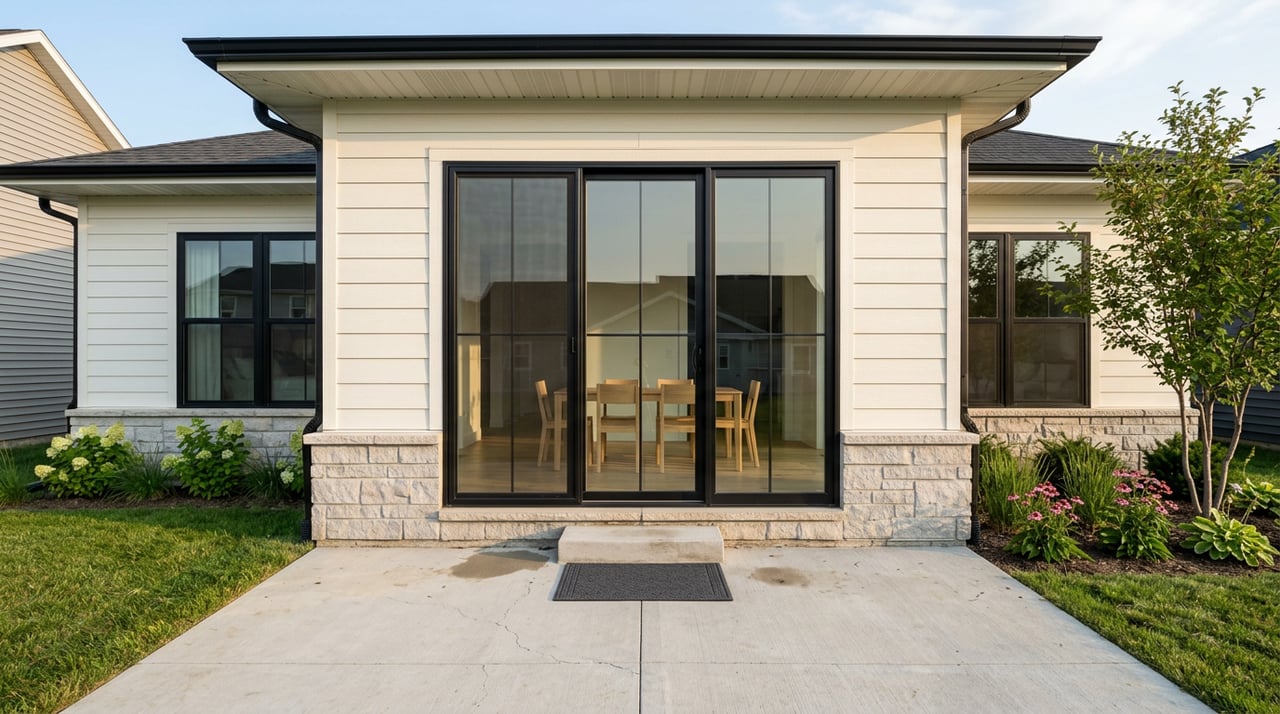
Thinking about building in Waunakee but not sure where to start? You’re not alone. New neighborhoods are coming online, timelines and fees vary by plat, and builder contracts can feel like a second language. In this guide, you’ll learn where new construction is growing, how the process works, what to budget for, and how to protect your investment from the first walk of a lot to the final punch list. Let’s dive in.
Waunakee new-build snapshot
Waunakee’s 2024 Housing Affordability Report shows an active new-home market with roughly 122 building permits issued in 2024, including about 110 single-family and 12 duplex permits. The Village uses policy tools to manage supply and aims for a 3 to 9 year lot pipeline. It also applies per-unit development fees and subdivision requirements before permits are issued. You can review the full policy overview and fee modeling in the Village’s latest housing report. See Waunakee’s 2024 Housing Affordability Report.
Zoning and permits are often coordinated through the Village or via the Waunakee/Westport joint process for certain areas. That means you should expect municipal review at several points, especially in new plats. Get familiar with the local steps here: Waunakee/Westport zoning and permits.
Where new neighborhoods are growing
Kilkenny Farms West
Located near Hwy Q and Woodland Drive, Kilkenny Farms West is a high-profile subdivision with parks, trails, and a neighborhood pool. It has hosted Parade of Homes activity and features multiple builders. Lot inventory and pricing change often, so confirm availability directly with active builders. Learn about neighborhood features and sample lots via local builder pages like Victory Homes of Wisconsin’s Kilkenny Farms West.
Westview Meadows
Westview Meadows on Waunakee’s west side is a recently engineered project of about 130 lots. Engineering and permitting work coordinated with the Village, Dane County, and WDNR focused on grading and required infrastructure. For context on how sites are prepared and reviewed, see the Westview Meadows engineering overview.
Heritage Hills and other recent activity
Recent multi-family building wrapped up in 2023–24 at Heritage Hills, according to the Village’s housing report. Other areas mentioned in planning materials include Westbridge and expansions near the Arboretum area. For current phase names and timing, check Village reports and meeting packets in the housing report, then confirm with developers or municipal staff.
Infrastructure can shape timing
New plats roll out in phases that depend on utilities. The Madison Metropolitan Sewerage District’s NEI Waunakee capacity improvements are in progress, which can influence which sections are served and when lots are released. For timing context, see MMSD’s NEI Waunakee project updates.
How new construction works here
Product types you can choose
- Spec or quick-move-in homes. These are built without a specific buyer and can often close the fastest, sometimes in 30 to 90 days if complete. You get limited customization, though builders may offer incentives.
- To-be-built or semi-custom. You select a floor plan and finishes from a menu. Timelines vary based on lot readiness and permitting. You get more personalization than a spec, with clearer pricing than full custom.
- Fully custom. You drive the design with your architect and builder. Expect longer timelines, more decisions, and a budgeting process that can evolve with change orders.
Timelines and what affects them
Once construction begins, national guidance suggests an average timeline in the 7 to 12 month range for a single-family home, with extra time for design, permitting, and site prep. Weather, supply chain issues, and inspection schedules can add time as well. See an overview of typical durations in this national primer on build timelines from SoFi.
Locally, utility capacity and municipal phasing affect when a lot is actually build-ready. MMSD’s NEI Waunakee improvements are a current example of infrastructure that influences release timing and service connections. Check MMSD updates if your desired lot is in a phased area.
Financing basics for new construction
Many buyers use a construction-to-permanent loan, also called a single-close loan, which converts to a standard mortgage when construction is complete. You get one underwriting and one closing, with funds disbursed in draws as work hits milestones. Get the basics from Freddie Mac’s construction loan overview.
Lenders typically require inspections before each draw and will verify permits and insurance. You should also discuss rate locks, how long they last, and whether you might need extensions if timelines shift. Here’s a helpful breakdown of how draw inspections and COs fit into the process from Chase.
Builders sometimes offer incentives, like rate buydowns or upgrade credits, to make new homes more competitive with resale. If an incentive is tied to using a preferred lender or title company, ask for the full cost comparison in writing so you can evaluate your best net outcome.
Warranties and post-occupancy support
Most new homes come with a staged warranty that often follows a 1-2-10 model. That typically means one year for workmanship and materials, two years for systems, and ten years for major structural items. Ask for the written warranty booklet and the claim process, including response timelines and point of contact. Learn how these programs work from 2-10 Home Buyers Warranty.
Selecting a lot and permits in Waunakee
Village process and required improvements
Before a builder can pull permits on a new plat, the Village requires certain subdivision improvements to be installed or financially guaranteed. This includes utilities, stormwater systems, streets, and related infrastructure. In practice, a recorded plat plus completed or bonded improvements are typical prerequisites to pull a building permit. You can review the overview of subdivision and permit requirements in the Village housing report.
Local fees and budgeting
Development fees are a real line item. Waunakee’s 2024 fee modeling shows an average Village fee of about $4,279 per unit in its example calculation, with specific park and impact fees outlined in the report. Exact amounts vary by lot, unit type, and timing, so confirm with Village staff and your builder. See the fee tables and examples in the housing report.
If your lot touches an area served by the Waunakee/Westport joint process, permit steps and fees can differ. Start here for local rules and contact details: Waunakee/Westport zoning and permits.
Lot-level checks before you commit
- Grading and erosion control. Ask for the recorded grading plan and confirm drainage patterns. For a real-world example of how grading and approvals are handled in Waunakee, see the Westview Meadows engineering summary.
- Floodplain, wetlands, and easements. Review the recorded plat and overlays. Your agent can help you pull public mapping and point you to municipal resources for confirmation.
- Setbacks, sidewalk or park obligations, and HOA rules. These often appear in the plat notes and covenants. Read them closely so you know what you can build and what you must maintain.
Contracts, inspections, and your rights
Contract essentials in Wisconsin
Wisconsin’s consumer protection rules for home improvement and residential building require specific contract disclosures when you pay before work is complete or are solicited for services. The contract should include the salesperson’s name and address, a detailed scope, materials, start and completion dates, warranty statements, and lien waiver information. Insist that all promises and allowances are in writing. For a clear consumer checklist, see the Wisconsin DATCP guidance on home improvement contracts and lien waivers: DATCP Home Improvement Consumer Tips.
If you are making progress payments during construction, request lien waivers from the general contractor and subcontractors as funds are released. That helps protect you from unpaid claims.
Inspections, punch lists, and occupancy
Your lender will typically order draw inspections throughout construction. The Village will also complete required inspections and issue a certificate of occupancy before you close or move in. Keep copies of all inspection reports and approvals for your records. For a quick loan and draw overview, see Chase’s construction loan guide.
Many buyers also hire an independent inspector at key stages, such as pre-drywall and at final walkthrough, to supplement builder and lender oversight. Create a detailed punch list, agree on timelines for completion in writing, and verify repairs before releasing final funds when possible.
Your step-by-step checklist
Pre-offer research
- Confirm school assignment and capacity with the district if that matters to you. District boundaries and capacity can change, so get direct confirmation.
- Review the recorded plat and any noted easements, setbacks, or park and sidewalk requirements.
- Ask the builder for the grading plan, a list of neighborhood amenities, and any HOA documents.
When negotiating and before signing
- Get a written completion date or completion window plus a clear process for change orders.
- Request a detailed materials list for all allowance items and the dollar amount of each allowance.
- Ask whether builder incentives or credits are tied to using a preferred lender or title company. If so, get the net effect in writing so you can compare.
- Verify who will pull permits and who will be listed as the permit holder.
During construction
- Track the draw schedule and request lien waivers with each payment.
- Keep copies of municipal inspection sign-offs and lender draw inspections.
- Schedule independent inspections at pre-drywall if allowed and again before closing.
Pre-closing and move-in
- Confirm all municipal inspections are complete and the certificate of occupancy is issued.
- Complete a thorough final walkthrough and punch list. Get repair timelines in writing.
- Collect all warranty paperwork, including any one-year, two-year systems, and ten-year structural coverage, plus instructions for claims.
After move-in
- Document any issues promptly. If a major dispute arises, follow Wisconsin’s Right to Cure process and keep detailed records. Find the consumer guidance here: DATCP Home Improvement Consumer Tips.
Ready to explore lots and builders?
If you want the ease of quick-move options or the flexibility of a to-be-built plan, Waunakee offers both. The key is matching your budget, timing, and design goals to the right neighborhood and builder, then managing the process with clear expectations and written protections.
If you would like help comparing neighborhoods, reviewing a builder contract, or mapping out your timeline, our team is here to guide you at your pace. Pinnacle Real Estate Group, LLC specializes in new construction across Dane County and can help you move forward with confidence.
FAQs
What new construction neighborhoods are active in Waunakee right now?
- Kilkenny Farms West and Westview Meadows are notable current areas, and Heritage Hills saw recent multi-family completions in 2023–24 per the Village’s housing report, with more detail on Kilkenny via Victory Homes’ page.
How long does it usually take to build a home in Waunakee?
- National guidance suggests 7 to 12 months once construction starts, plus time for design and permits, and local utility phasing can add time; see SoFi’s timeline overview and MMSD’s NEI Waunakee updates.
What Village fees should I budget for on a new build?
- The Village’s 2024 modeling shows an average example of about $4,279 per unit, with actual fees varying by lot, unit type, and timing; review the fee tables in the housing report.
Do I need my own inspector for a new build?
- It is common to hire an independent inspector at pre-drywall and final walkthrough to supplement lender draw inspections and municipal checks; see this construction loan and draw guide for context.
How do construction-to-permanent loans work for new builds?
- A single-close loan funds construction in draws, then converts to a mortgage at completion, giving you one underwriting and closing; see Freddie Mac’s overview.
Who handles Waunakee permits and inspections in new subdivisions?
- The Village of Waunakee, and in some areas the Waunakee/Westport joint process, manage permits and inspections; start at the local zoning and permits page.