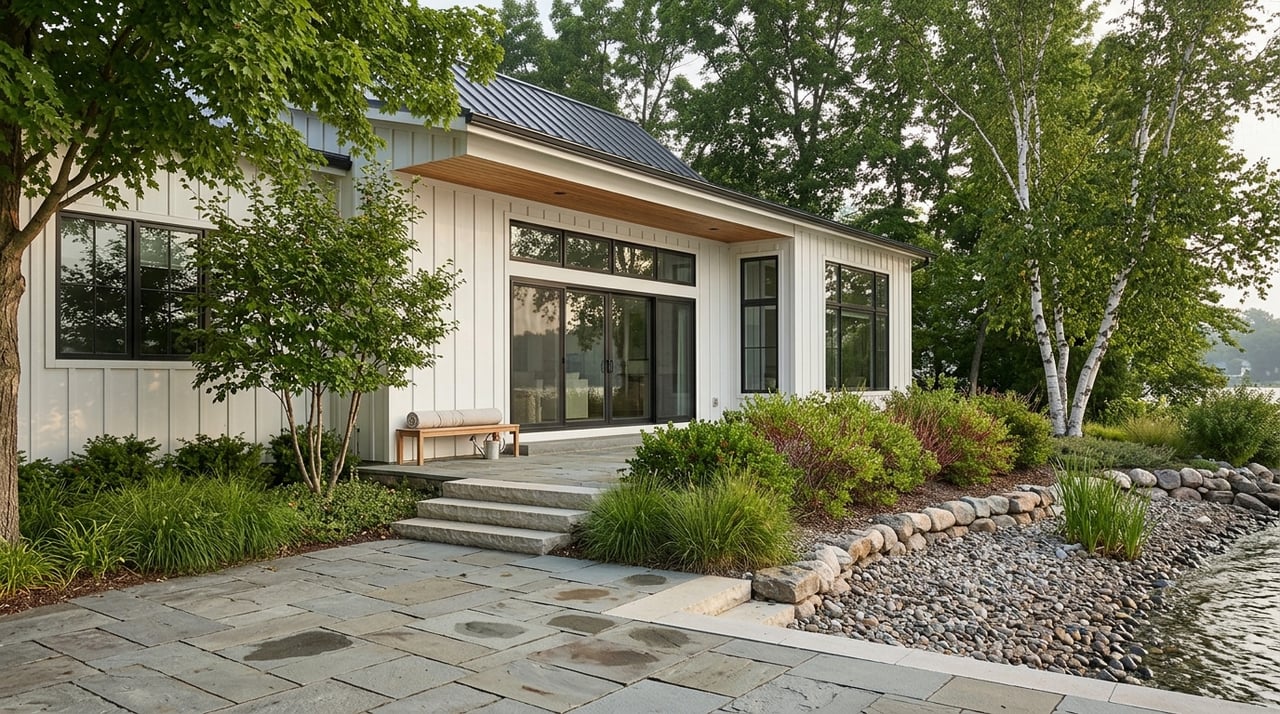
If you picture lake living as a private dock, a quiet shoreline, and a vacation-home feel, Madison may surprise you. Here, the lakes are woven into daily life in a much more public, practical, and year-round way. If you are thinking about buying near the water, this guide will help you understand what lake living in Madison really looks like, how it shapes your routine, and what to expect from the housing market. Let’s dive in.
Lake Living in Madison Is Shared
Madison’s lake setting is a big part of how the city functions day to day. The city is built on an isthmus, surrounded by more than 15,000 acres of lakes, and shaped by five lakes: Mendota, Monona, Waubesa, Kegonsa, and Wingra.
That matters because lake living here often means easy public access, not just private frontage. Madison Parks manages more than 18 miles of shoreline and 12 beaches, so many residents experience the lakes through parks, trails, launches, beaches, and shoreline paths.
For you as a buyer, that can be a real advantage. You may not need a home directly on the water to enjoy the lifestyle that draws people here in the first place.
Each Madison Lake Feels Different
Not all lake living in Madison feels the same. The lake you live near can shape your routine, your weekends, and even the kind of home stock you are most likely to see.
Lake Wingra Feels Close to Home
Lake Wingra has a smaller-scale, neighborhood feel. Wingra Park offers picnicking, fishing, canoe, kayak, and paddle boat rentals, plus a small marina.
Nearby, Vilas Park adds a sandy beach, accessible fishing piers, and winter skating on the lagoon and rinks. If you want lake access that feels casual and woven into neighborhood life, this part of Madison often fits that rhythm.
Lake Monona Feels Connected
Lake Monona has a more downtown-adjacent, trail-oriented feel. Olin Park includes walking paths, a beach, a boat launch, and connections to the Capital City and Wingra bike trails.
Esther Beach Park adds an accessible path, a playground, and shoreline restoration work. If you want lake living tied closely to trails, recreation, and a connected in-city feel, Monona-side living often delivers that experience.
Lake Mendota Feels Bigger
Lake Mendota often feels more expansive and nature-forward. Tenney Park combines lake views, a beach, winding paths, and a frozen lagoon with a warming shelter in winter.
Cherokee Marsh extends to Mendota’s shoreline and connects to trails plus a canoe and kayak landing. If your ideal lake setting leans more open, scenic, and outdoors-oriented, Mendota may align with what you are picturing.
What Daily Life Near the Water Looks Like
In Madison, lake living is often less about a dramatic weekend escape and more about how your everyday routine feels. A morning walk, a bike ride after work, or a quick stop at the shoreline can become part of normal life.
The city notes that Madison has many beautiful paths along its lakes and nearly 1,200 miles of sidewalk. That helps explain why being near the water here can feel useful, not just scenic.
For many households, the lakes become part of a regular pattern like:
- Walking shoreline paths
- Biking connected trail systems
- Launching a kayak or canoe
- Spending time at a beach or park
- Fishing or picnicking close to home
That is one reason lake-adjacent homes can be so appealing. You are often buying into a lifestyle that feels active and accessible without needing to leave the city.
Madison Lake Living Is Seasonal, Not Just Summer
A common mistake is assuming lake life only matters during warm weather. In Madison, the seasons change the activities, but they do not erase the value of living near the water.
Spring and Summer Bring Peak Activity
Warmer months are the most visibly active. Madison’s lakefront parks support swimming, fishing, picnicking, canoeing, kayaking, paddle boating, and sailing at different sites.
If you move near the lakes, spring and summer often bring a steady flow of outdoor activity. Even simple things like evening walks or a stop at the beach can become part of your weekly routine.
Fall Keeps the Lakes in Your Routine
Even when temperatures cool, the lakefront park system still supports walking, biking, and time outdoors. In many parts of Madison, the shoreline experience continues through trail access, views, and open-space connections.
For many buyers, this is part of the real value. The lakes are not only a summer amenity. They continue shaping how the city feels through much of the year.
Winter Changes the Experience
Winter does not stop lake living in Madison. It simply changes the mix.
Tenney Park and Vilas Park both support winter use tied to frozen lagoons or rink areas, and the city’s lake access rules also account for iceboats when conditions allow. If you enjoy all-season outdoor living, Madison’s lake lifestyle can still feel active well beyond summer.
Owning Near the Lakes Comes With Practical Details
The lifestyle is appealing, but it helps to understand the logistics. In Madison, lake living works best when you think beyond the view and pay attention to access, permits, and how you will actually use the water.
Public Access Often Matters More Than Private Frontage
A lot of buyers imagine that a lake property must include direct shoreline to be worthwhile. In Madison, that is not always true.
Because the city maintains beaches, fishing piers, boat launches, and canoe and kayak access points, many people rely on public amenities as much as private frontage. Depending on your goals, being close to the right park or launch may matter just as much as being directly on the water.
Some Launches Require a Permit
If you plan to boat, paddle, or use certain launch sites regularly, pay attention to access rules. Madison Parks notes that selected launch sites require a Lake Access Permit year-round.
That is a small detail, but it is a useful one to know before you buy. It can affect how you plan for storage, transport, and day-to-day convenience.
Stewardship Is Part of the Picture
Madison’s lakes are managed, active public spaces, not just scenery. At Esther Beach Park, for example, the city notes shoreline restoration, stormwater improvements, and summer water-quality monitoring.
That is helpful context if you are thinking about swimming, family use, or long-term enjoyment of public shoreline spaces. It also shows that lake living here includes an ongoing connection to how these spaces are maintained.
What Homes Near the Lakes Tend to Look Like
Many buyers expect one clear “Madison lake house” style. In reality, lake-adjacent housing here is more varied and often more established than people first assume.
Madison’s historic district inventory reflects a wide range of older housing types that can appear near the lakes or in older lake-oriented parts of the city. Depending on the area, you may find Victorian homes, Queen Anne styles, Prairie homes, Period Revival architecture, bungalows, older converted multi-unit buildings, and select infill.
That means your search may be less about finding a single signature style and more about deciding what kind of location, layout, and daily lake access matters most to you.
Shoreline Rules Shape Development
Housing near the water is also influenced by regulation. Wisconsin’s shoreland management program applies within 1,000 feet of a navigable lake in unincorporated areas and generally requires most buildings to sit at least 75 feet from the ordinary high-water mark.
Dane County also notes special treatment for legally nonconforming buildings and structures. In practical terms, these rules help explain why many lake-adjacent areas feel established, compact, and shaped by older development patterns rather than large waves of brand-new shoreline construction.
Expect a Premium in a Competitive Market
Lake proximity is usually a premium feature in Madison. That premium exists inside a market that is already competitive.
SCWMLS city-village data lists Madison’s 2025 median sale price at $424,900, while Monona’s was $532,792. Dane County data also showed a year-to-date median sales price of $455,000 in April 2026, with inventory up year over year but still described as relatively tight.
The City of Madison has also pointed to rising housing costs, a low vacancy rate, and a goal of adding 15,000 new homes by 2030. Put together, these trends suggest that homes with strong lake access or lake-adjacent appeal often attract extra attention.
How to Think About Lake Living Before You Buy
If you are considering lake living in Madison, it helps to stay practical. The right fit usually comes from matching your routine to the location, not just reacting to the idea of being near water.
Ask yourself:
- Do you want direct frontage, or is nearby public access enough?
- Which lake matches your lifestyle best?
- Will you use trails, beaches, paddling access, or boat launches regularly?
- Do you prefer older housing character, condos, or select infill options?
- How much of a price premium fits your budget and long-term goals?
These are the kinds of questions that help you buy with confidence. They also help you avoid paying for a feature that sounds exciting but does not really match how you plan to live.
A Smart Lake Home Search Starts With Clarity
Madison lake living is appealing because it is real, usable, and woven into daily life. It can mean beaches instead of private docks, trail connections instead of long drives, and year-round outdoor access instead of a short summer season.
If you are exploring lake properties, lake-adjacent neighborhoods, condos, or homes with strong access to Madison’s shoreline parks, a calm and local strategy matters. The best move is usually not chasing hype. It is understanding how a specific area, home style, and access pattern fit your life now and your goals down the road.
If you want help sorting through Madison lake homes or nearby options in Dane County, start with a conversation with Pinnacle Real Estate Group, LLC.
FAQs
What does lake living in Madison usually mean?
- In Madison, lake living often means living near public shoreline amenities like parks, beaches, trails, boat launches, and paddling access, not only owning private frontage.
Which Madison lake feels best for neighborhood-style living?
- Lake Wingra often feels the most neighborhood-scaled, with nearby park access, rentals, fishing, beach space, and winter recreation.
Which Madison lake areas are best for trails and connections?
- Lake Monona stands out for trail connections, walking paths, beach access, and links to the Capital City and Wingra bike trails.
Are Madison lake homes usually newer construction?
- Not necessarily. Many lake-adjacent areas in Madison include older and established housing types, along with some infill, rather than one dominant new-construction lake-house style.
Do Madison boat launches require permits?
- Some selected Madison launch sites require a Lake Access Permit year-round, so it is smart to check access details if boating or paddling is part of your plan.
Are lake-adjacent homes in Madison more expensive?
- Lake proximity is often a premium feature in Madison, especially within a market that already has relatively tight inventory and rising housing costs.